Agistment in Australia: A Practical Guide for Graziers
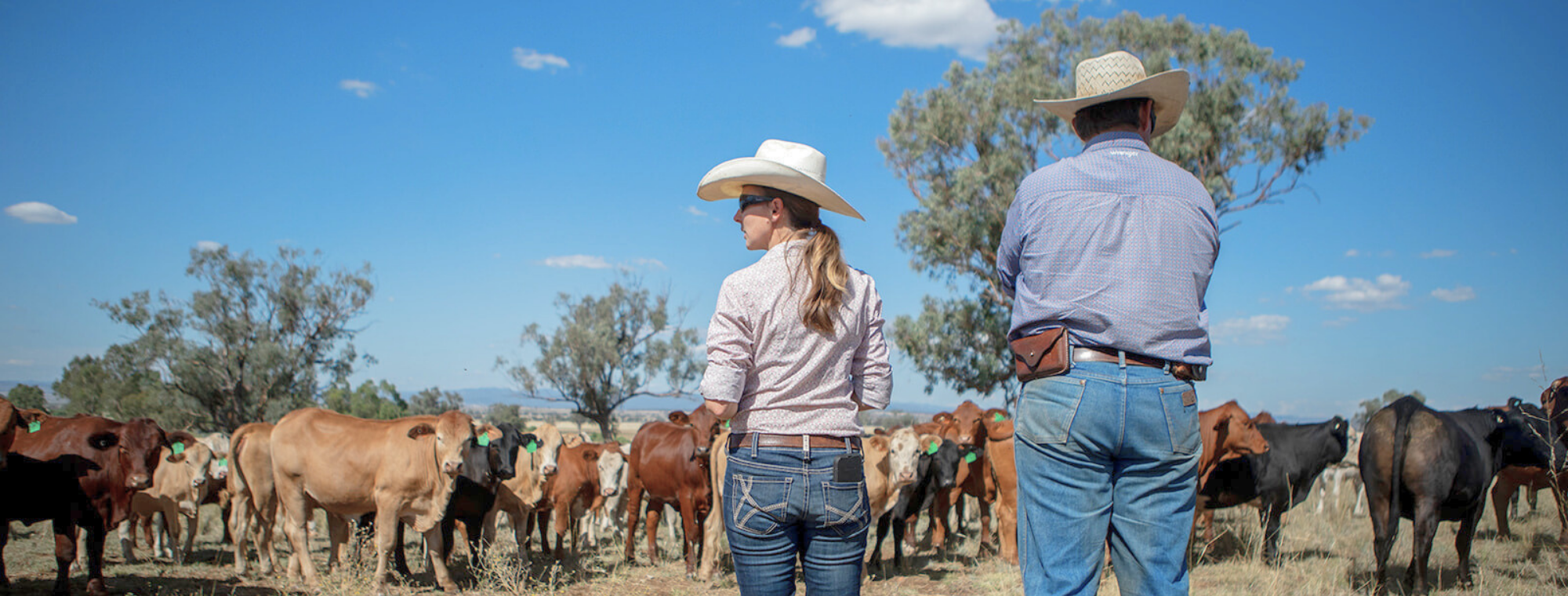


Agistment can improve cash flow. Handled poorly, it can compromise carrying capacity and future income.
On the surface, it seems straightforward. You have feed available. Someone else needs it. You agree on a rate and adjust stock numbers accordingly.
But agistment is not just spare grass for hire. It is a stocking rate decision. And stocking rate decisions directly affect pasture recovery, ground cover and business performance.
Whether you are taking stock in or sending stock out, the question is the same: does this decision improve whole-of-business profitability without weakening land condition?
What Is Agistment?
Agistment is the practice of grazing someone else’s livestock on your land for a fee.
For the landholder, it can convert surplus pasture into income. For the livestock owner, it provides feed access during seasonal pressure or when carrying capacity is exceeded at home.
In Australia’s variable climate, that flexibility is useful. But every additional animal increases feed demand. If demand exceeds pasture growth, recovery time shortens and carrying capacity declines over time.
Agistment only works when stocking pressure aligns with actual feed supply, not assumptions about it.
Is Agistment Financially Worth It?
Agistment rates vary significantly across Australia depending on region, livestock class, pasture quality and service level.
Industry guidance suggests that cattle and sheep agistment is commonly structured as a weekly per-head rate, with pricing reflecting pasture value and services provided. Agriculture Victoria notes that cattle agistment rates can vary widely and may reach higher levels where additional infrastructure, management or feeding services are included.
(Source: Agriculture Victoria – Feeding and agisting livestock)
The headline rate, however, is only part of the equation.
Additional grazing pressure increases wear on fencing and water infrastructure and may increase labour requirements. More importantly, if pasture recovery is shortened, the cost appears later in reduced carrying capacity.
The better question is not “What is the rate?”
It is “Does this increase net profit once infrastructure, labour and pasture impact are considered?”
Cash flow alone is not the measure. Whole-system profitability is.
Agistment and Carrying Capacity
Carrying capacity is the number of animals your land can sustainably support over time.
Agistment changes that number immediately.
Before accepting agisted livestock, you should have clarity on:
- current pasture biomass
- growth rates under current seasonal conditions
- total grazing pressure including your own stock
- recovery periods required for each paddock
- an exit plan if conditions shift
If stocking pressure exceeds growth for extended periods, pasture composition declines, ground cover reduces and long-term productivity suffers.
This is not theoretical. It is how overstocking reduces profitability.
Structuring the Agreement Properly
Clear agreements reduce risk.
A written agistment agreement should define duration, livestock numbers and class, payment terms, animal welfare responsibilities and termination conditions.
In New South Wales, guidance on agistment agreements is available through the Young Farmer Business Program, which outlines recommended inclusions to protect both parties.
(Source: NSW Young Farmer Toolkit – Agistment Agreements)
In Queensland, both parties involved in an agistment arrangement may be considered a “person in charge” of livestock under animal welfare legislation. This means both share a legal duty of care to ensure animals have adequate feed, water and appropriate management.
(Source: Business Queensland – Duty of care for agisted animals)
Most disputes arise from unclear expectations rather than bad intent. Clarity protects both businesses.
Protecting Land Condition
Agistment should support pasture performance, not undermine it.
If recovery periods are maintained and stocking rates remain aligned with growth, agistment can improve pasture utilisation. If grazing pressure shortens rest periods or reduces residual ground cover, land condition declines.
Ground cover protects soil structure, water infiltration and long-term productivity. Once it drops below safe levels, recovery takes time and money.
The responsibility for land condition does not change because the livestock are owned by someone else.
Using Data to Make Better Agistment Decisions
Profitable agistment decisions rely on visibility.
Knowing current pasture levels, tracking growth rates and modelling changes to stocking pressure before committing allows you to assess impact before it occurs.
Atlas Grazing brings pasture data, feed budgets and stocking information into one platform so you can test scenarios before adjusting numbers. It helps you quantify the impact of taking on additional stock or reducing numbers early.
We are not here to override your experience. We are here to help you see the full picture before you make the call.
Final Thoughts
Agistment is a management tool. Like any tool, its value depends on how it is used.
It can improve cash flow and increase pasture utilisation when feed supply exceeds demand. It can also reduce carrying capacity and future income if stocking pressure is misjudged.
The producers who use agistment effectively understand their feed base, maintain recovery periods and make decisions based on measurable pasture performance.
Every stocking decision has consequences. The goal is ensuring those consequences strengthen your business over time.
If you want clearer visibility over pasture performance, stocking rates and seasonal risk, Atlas Grazing gives you the insight to make those decisions with confidence.
Simple to start. Powerful enough to scale.


Stay across what matters in agriculture.
Subscribe to our newsletter.
Listen the latest episode
of Stockyard Sessions.



.png)
.png)
.png)


