What Is an ACCU and What Do They Mean for Livestock Producers?
.png)


You’ve probably heard a fair bit about carbon credits and the carbon market in recent years. But what exactly are Australian Carbon Credit Units (ACCUs), and what do they mean for a livestock operation in the real world? Let’s break it down clearly and practically, so you can decide whether ACCUs make sense for your land and your long-term business goals.
Understanding ACCUs
What Are Carbon Credits?
Think of carbon credits as tradable units. Each credit represents one tonne of carbon dioxide that has either been stored or prevented from entering the atmosphere. When producers improve their practices and increase soil carbon they can earn carbon credits. Those credits can then be sold to businesses looking to balance out their emissions.
Introducing ACCUs
Australian Carbon Credit Units (ACCUs) are government-issued credits. Each ACCU represents one tonne of carbon dioxide equivalent stored or avoided through an approved project in Australia.[1]
For livestock producers, that might look like:
- Improving grazing management
- Enhancing soil health
- Using practices that build long-term soil carbon[2]
This isn’t theory, these are practices many graziers already use to grow more grass, lift productivity, and improve land condition.
Why ACCUs Matter to Livestock Producers
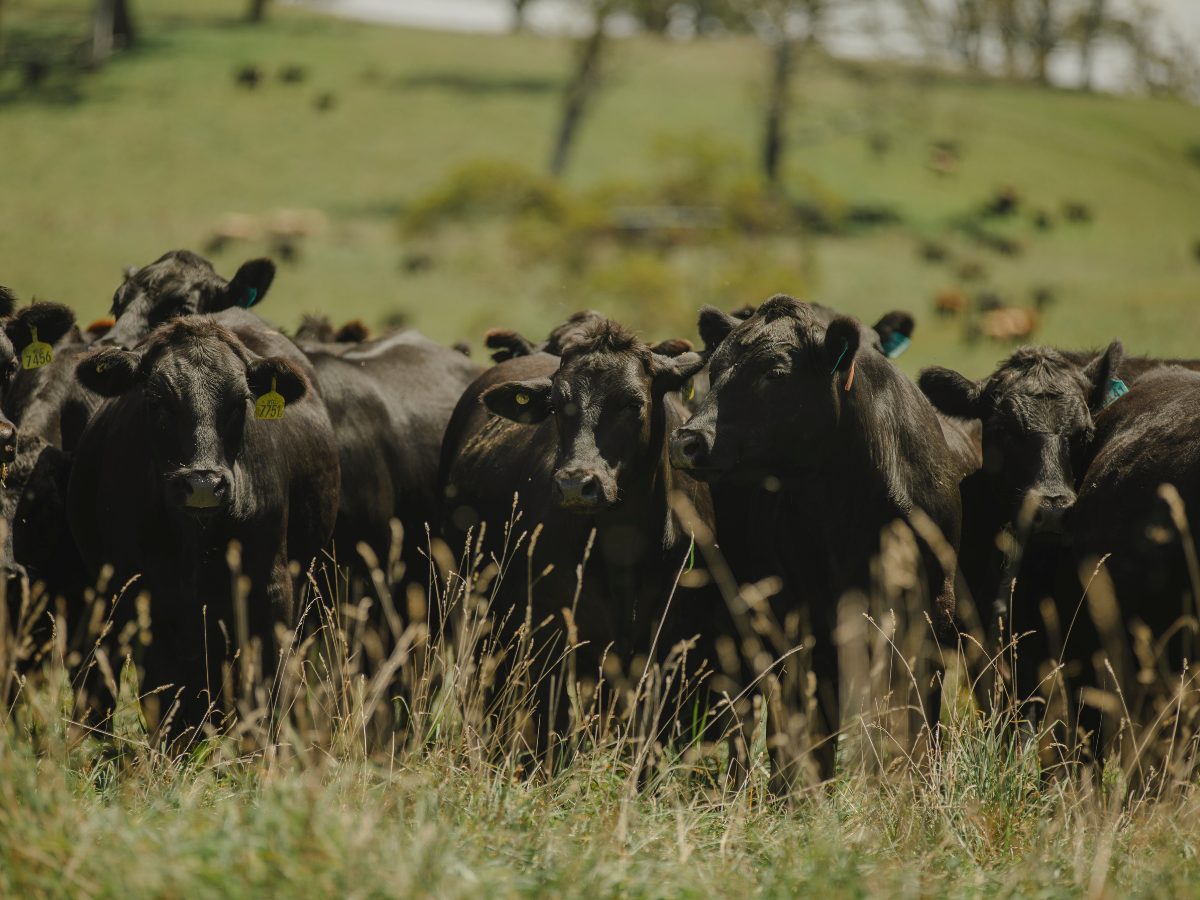
Building Soil Carbon
Soil carbon sequestration simply means increasing the amount of carbon stored in your soil. At its heart, it’s good land management. Practices like rotational grazing can increase ground cover, root mass, and soil structure, helping to improve:
- Soil health
- Pasture productivity
- Land resilience
- Water holding capacity
Healthier soils grow more feed—and that’s a win whether or not you ever sell a carbon credit.
Financial Opportunities
ACCUs can be sold on the carbon market, creating a new revenue stream alongside your grazing enterprise. For many producers, this means getting rewarded for good land stewardship they’re committing to as part of their project.
Improving Farm Resilience
Soil carbon isn’t just about the credits. A healthier soil profile holds moisture better, recovers faster, and is more resilient through tough years. Producers focused on soil health often find they’re better equipped to handle seasonal variability and extreme weather.[3]
How to Get Started with ACCUs
Assess Your Farm’s Potential
Every property is different. Soil type, rainfall, grazing history, and existing management all influence your carbon potential.
Register and Verify
To earn ACCUs, your project must be registered with the Clean Energy Regulator, then monitored and independently verified.[4]
It’s a structured process, but the right support makes it straightforward.
You must register your project before you begin a new, additional activity to build carbon credits
Implement Carbon-Building Practices
Once you are registered and understand what’s possible for your land type, it’s about choosing the practices that fit your business. Common examples include:
- Rotational grazing: Rest periods allow pastures to recover and build root systems.
- Perennial pastures: Perennials build deeper, longer-lasting root systems that store more carbon year-round.
The Atlas Advantage
At Atlas Carbon, we combine over a decade of grazing and land management expertise with science-backed methods and simple digital tools to help you plan and run a soil carbon project with confidence.
We stick with you from day one—planning, registering, baselining, reporting, auditing, credit issuance and everything in between, so you can stay focused on running your livestock business.
Because we only take on projects that are right for the land, you stay firmly in control of the decisions that affect your operation and your legacy.
Your first step is a complimentary Cost-Benefit Report that helps you see the realistic opportunities for your property.
Challenges and Considerations
Initial Costs and the Learning Curve
Shifting to practices that build soil carbon may require some upfront investment or changes to management. Over time, improving soil function and increasing feed production can pay for itself in productivity gains.
Market Fluctuations
Like any commodity, ACCU prices move with supply and demand. As soil carbon projects grow, supply will increase, so getting started early can position producers ahead of market shifts. Understanding your long-term potential, not just today’s price, is key.
.png)
The Wider Impact of ACCUs
ACCUs are part of Australia’s broader pathway toward long-term emissions reduction. By improving soils and land resilience, livestock producers play a practical, boots-on-the-ground role in that effort and can be a be financially rewarded for their contribution.[6]
Conclusion
ACCUs are more than a carbon credit—they’re a chance to build healthier soils, strengthen resilience, and add a new revenue-generating enterprise to your livestock business.
Whether you’re exploring the idea or already working to improve soil health, understanding how ACCUs fit into your long-term goals can help you make decisions with confidence. With the right partner and the right information, you can create benefits for your land, your business, and the generations that follow.
Ready to understand what a soil carbon project could look like on your property?
Request a FREE Cost-Benefit Report tailored to your operation and get clear insights into your land’s soil carbon potential.
Sources
- Australian Carbon Credit Units, Clean Energy Regulator[1]
- ACCU Scheme Methods, Clean Energy Regulator[2]
- Carbon farming activities and co-benefits, Department of Agriculture, Fisheries and Forestry[3]
- How to participate in the ACCU Scheme, Clean Energy Regulator[4]
- The many facets of ACCU price dynamics – CORE Markets[5]
- Australian Carbon Credit Unit (ACCU) Scheme, DCCEEW[6]

Get the latest
Subscribe to our newsletter.
Listen the latest ep
Of Stockyard Sessions


.png)
.png)
.png)


