The decisions you make before drought sets in


The decisions you make before drought sets in
Drought is one of the hardest things to manage for when you're on the land. It is fraught with sacrifice, emotions and trading off hope against reality. When you're in the thick of it, it can be challenging to know when to act. That's why it is so important to have frameworks and decision points established before the rain starts to drop off.

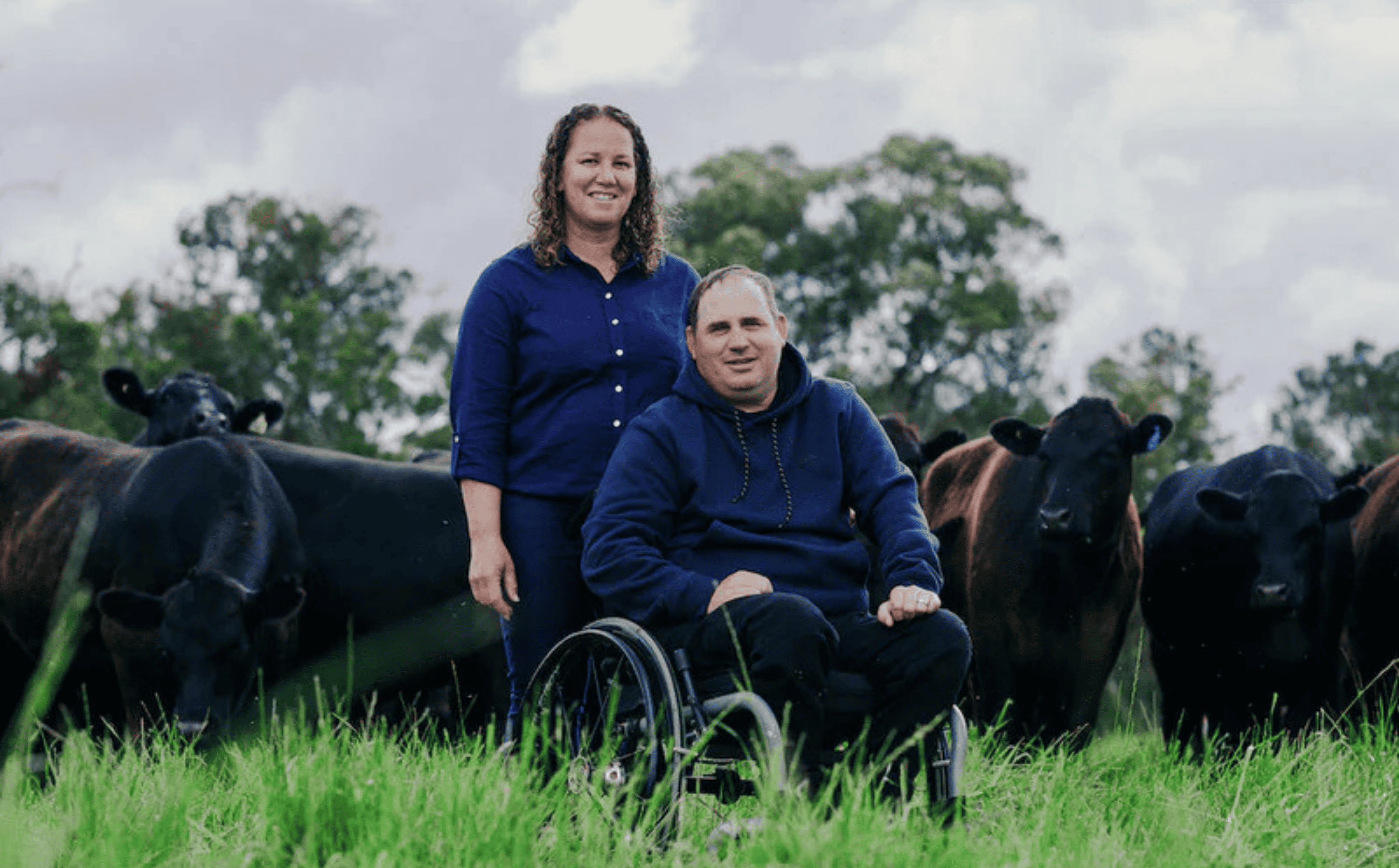
In a recent catch-up, Atlas Carbon customers were privileged to hear from Graham Finlayson, who has lived and learned from three dry periods on his property.
In 2001 Graham and his wife Cathy bought Bokhara Plains, 35 kilometres north of Brewarrina. It had an average annual rainfall of 380 millimetres and was mostly hard claypan that had been overgrazed for decades. The first few years on Bokhara Plains were characterised by some of the driest years in recorded history. By November 2002, there was no water left on the property. The Finlaysons destocked completely.
It is difficult to capture the stress and uncertainty that surrounds a drought this debilitating. Anyone that was on the land during the millennium drought remembers the hopelessness and grief that accompanied it. When Graham reflects on this period, one thing that stands out is the relief he feels about the decisions and actions he took early on.
Graham had spent the previous year developing a structure to lead his decision-making on farm, including analysis of stocking rate against carrying capacity, and tracking annual rolling rainfall. These data points allowed the Finlaysons to understand early on the country was starting to dry out and they moved to destock in response.
Today, that framework is being utilised once again. Rainfall is dropping off, and Graham and his family have started to act. Stock numbers on Bokhara Plains are now around 5% of what they were, with the rest out on agistment. The first cattle were moved in early February, well before the country started to feel any pressure.
Bart Davidson, Atlas Ag’s Chief Grazing Officer, agrees strongly that systems and data make the hard decisions easier. During the session with our customers, Bart used historical stocking rate and carrying capacity records to show what's at stake in waiting too long to make hard stocking decisions. Paddocks that are overgrazed through a drought can take two to three years to recover their pre-drought carrying capacity, even after rainfall is back to median levels.
"When it rains, the country will bounce back. But how much does it bounce? We know well that if we do the right thing, it bounces a lot better." - Graham Finlayson

Bart put it plainly: "Know your position. Put those lines in the sand before they become painful." Farms that operate this way tend to emerge from drought in a fundamentally different position to those that don't. Putting lines in the sand is important, but equally as important is making sure all the key decision makers are on the same page. This is a core principle for Finlaysons- Graham, his wife Cathy and daughter Harriet.
"What's good for the carbon project, is good for us mentally, is good for our country." - Graham Finlayson

An important takeaway for our Carbon customers was the clear link between strong drought management and carbon project success. The decisions that protect land through dry spells: early action, managing stocking rate and the care taken not to damage perennial plants are the same decisions that protect carbon levels in your soil.
This session was held exclusively for Atlas Carbon customers as part of our on-going project implementation support.
Like to know more about what working with Atlas Carbon looks like?
.png)
Get the latest
Subscribe to our newsletter.
Listen the latest ep
Of Stockyard Sessions


.png)
.png)
.png)


