Soil Carbon Project Case Study: Roslyn Estate, Crookwell, NSW


Benefits of a Farm Visit Beyond Carbon Credits
Crookwell, NSW
Investing in proper due diligence is the most critical first step to protecting your business and unlocking the true, long-term value of your land.
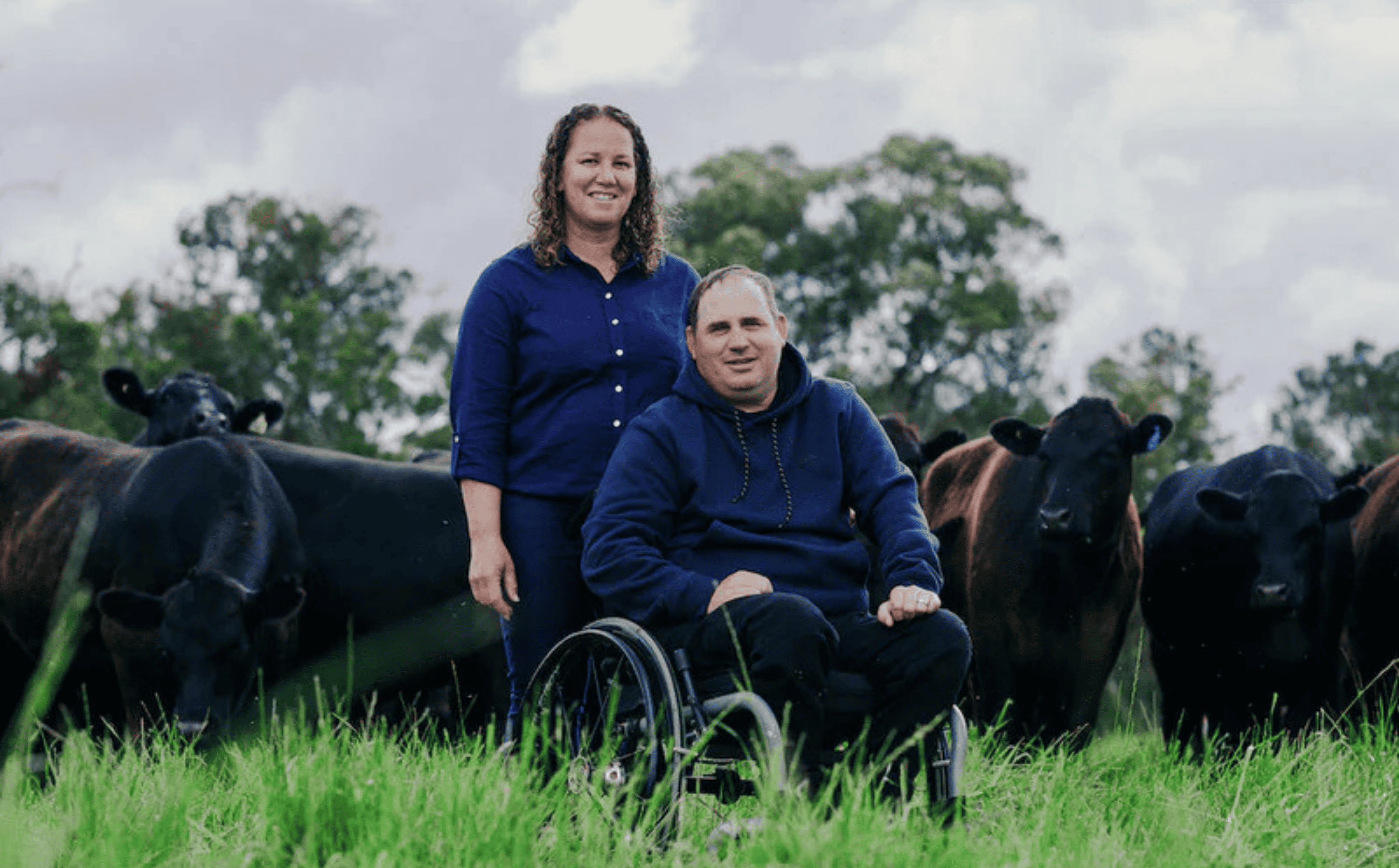
So, how can you be sure a 25-year soil carbon project is a sound financial decision for your family's legacy? Just ask fifth-generation NSW producer, Felicity Wheelwright.
Felicity was already planning significant, practical investments in their families 800-hectare property, 'Roslyn Estate', to boost productivity for generations to come. Her development plans to improve grazing management looked like they might fit within soil carbon guidelines, so she engaged Atlas Carbon to explore the opportunity.
The process began with a free, no-obligation desktop analysis which indicated that a soil carbon project could be a good fit. However, it was the next step—a detailed on-farm visit with soil sampling—that provided the crucial facts needed to make an informed decision on how to proceed. Ultimately, the soil in the majority of these hectares had limited capacity to store and retain carbon, hence ruling out the long term viability of the project.
While the facts made it sensible to put the brakes on any potential soil carbon project being undertaken, Felicity found immense value in the due diligence process itself. The insights gained are now shaping her production goals:
- Actionable Data: She now has a comprehensive baseline of soil data from across her entire farm, which she can use to build on for future productivity.
- Return on Investment: The reports from Atlas Carbon are helping her target applications of lime and phosphorus, ensuring she gets the "best bang for her buck".
- Management Confidence: The process validated her water and fencing infrastructure plans and provided expert insights that will help improve pasture utilisation and labour efficiency.
Felicity's experience demonstrates that partnering with trusted advisors for rigorous, on-the-ground analysis is essential. It protects your business from unsuitable long-term commitments and provides valuable, practical data to improve your bottom line, no matter the outcome.
What You'll Learn
- Why rigorous, on-farm due diligence (including detailed soil sampling) is the most critical first step to protect your business from unsuitable long-term commitments, even if it results in putting a potential carbon project on hold.
- How the actionable data and expert insights gained during the assessment can be used immediately to refine production goals, target lime and phosphorus applications for the best return on investment, and validate infrastructure plans.
Why it Matters
Your farm is more than just a business — it’s a legacy. A soil carbon project offers a practical, low-risk way to strengthen your bottom line and improve the resilience of your land. By leveraging your commitment to good land management, you can create a new, diversified, income stream, complimentary to your planned grazing management, infrastructure and production uplift.
Read Felicity's story to see how a simple on-farm assessment protected her business and delivered actionable data to boost her bottom line

.png)
Get the latest
Subscribe to our newsletter.
Listen the latest ep
Of Stockyard Sessions


.png)
.png)
.png)


